Taraka: The Playful Script Font for Crafters and Creatives
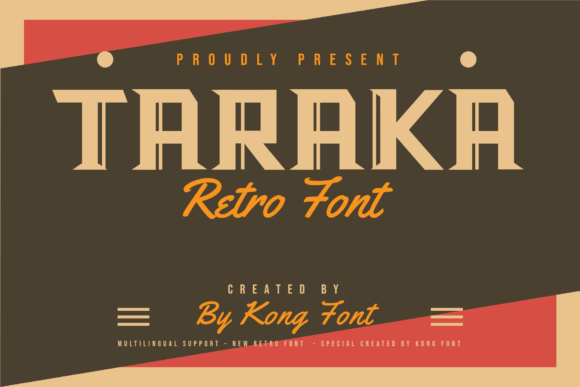
There’s a certain magic in a font that feels like it was written by hand—something personal, imperfect, and full of character. Taraka, a retro-inspired handwritten script font, captures that magic effortlessly. Designed by Kong Font Studio, this typeface brings a sense of playful nostalgia to any project, making it a standout choice for anyone looking to inject warmth and creativity into their work. Whether you’re designing a logo for a new bakery, crafting wedding invitations, or creating social media graphics for your small business, Taraka offers a friendly, approachable aesthetic that resonates with audiences.
A Font with a Friendly, Retro Soul
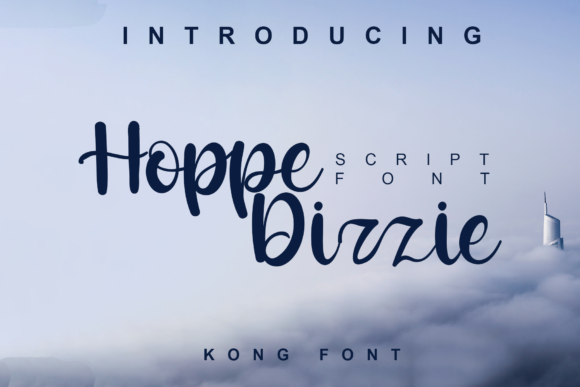
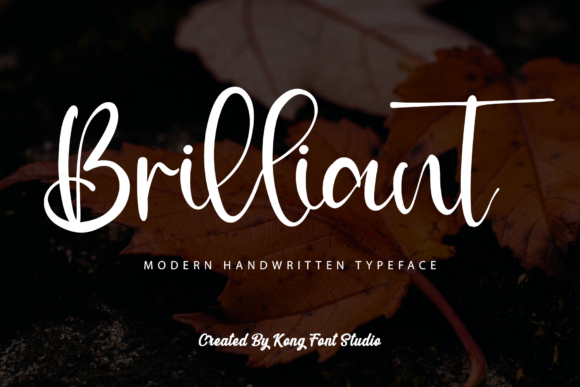
What immediately draws you to Taraka is its playful, hand-lettered feel. The strokes have a slight bounce and a casual rhythm, reminiscent of mid-century script fonts but with a modern, accessible twist. It’s not trying to be overly polished or formal; instead, it embraces a charming, slightly imperfect style that feels authentic and inviting. This makes it particularly effective for projects where you want to convey personality, warmth, and a human touch. As a display font, Taraka excels at grabbing attention without feeling aggressive or overly stylized.
Its visual appeal lies in its versatility. The letterforms are clear and legible, even at smaller sizes, which is a common challenge with many script fonts. The balanced spacing and consistent baseline ensure that words flow smoothly, making it suitable for more than just headlines. From a brand identity perspective, Taraka can help establish a voice that is creative, approachable, and memorable—key traits for businesses in lifestyle, food, craft, or boutique retail sectors.
Where Taraka Shines: Practical Applications
The true test of any creative font is how well it performs in real-world scenarios. Taraka’s playful nature makes it incredibly adaptable across a range of design and marketing contexts.
- Branding & Logo Design: A logo sets the tone for your entire brand. Taraka can be perfect for logos that need a personal, artisanal, or whimsical vibe. Think of a boutique coffee shop, a handmade jewelry line, or a children’s clothing brand. Its retro flair adds a touch of nostalgia that can make a brand feel established and trustworthy.
- Packaging & Merchandise: On product labels, tags, or packaging, Taraka adds instant character. It can make a jar of homemade jam feel more special or a tote bag more stylish. Its readability ensures that essential information like product names and descriptions remain clear.
- Social Media & Digital Content: In the fast-scrolling world of social media, a distinctive font can stop the thumb. Taraka works beautifully for Instagram quotes, Facebook ad headlines, Pinterest graphics, and YouTube thumbnails. It helps create a cohesive visual style that can boost brand recognition across platforms.
- Print Materials & Invitations: From wedding invitations and greeting cards to event posters and flyers, Taraka brings a personal touch that formal fonts often lack. It’s ideal for any project where you want the recipient to feel a direct, personal connection.
- Websites & Blogs: While not typically used for body text, Taraka can be a fantastic choice for website headers, blog post titles, or call-to-action buttons. It adds visual interest and helps break up the monotony of standard sans serif or serif fonts, guiding the reader’s eye to key areas.
Pairing and Practicality: Making Taraka Work for You
Using a handwritten font like Taraka effectively requires a bit of strategy. Its strong personality means it shouldn’t be used for long paragraphs of text, where readability could become an issue. Instead, think of it as a accent font—perfect for headlines, logos, or short, impactful phrases.
A key piece of practical advice is to master font pairing. Taraka pairs exceptionally well with clean, neutral typefaces. A simple sans serif font like Montserrat, Lato, or Open Sans for body text creates a beautiful contrast, allowing Taraka’s playful details to stand out without overwhelming the design. Similarly, pairing it with a traditional serif font can create an interesting blend of classic and contemporary. Always test your pairings in context to ensure they create visual consistency and support the overall hierarchy of your design.
Another consideration is licensing. Taraka is a premium font, which typically comes with a commercial license. This is crucial for any entrepreneur or business owner planning to use the font in products for sale, marketing materials, or client work. Always review the specific license terms provided by the foundry, Kong Font Studio, to understand the scope of use. Investing in a properly licensed commercial font protects your business and supports the designers who create these valuable design assets.
Elevating Your Creative Projects
Ultimately, choosing a font like Taraka is about more than just aesthetics; it’s about communication. The right typeface can clarify your message, evoke specific emotions, and connect with your target audience on a deeper level. For content creators, marketers, and small business owners, Taraka offers a tool to make communications feel more human and engaging.
Imagine using Taraka on the cover of a digital planner you’re selling on Etsy, or for the title of a recipe blog. Picture it on the signage for a local farmers' market stall or as the headline font for a newsletter promoting a workshop. In each case, it doesn’t just display words—it adds a layer of personality and intent. It helps build a cohesive brand identity that feels consistent across every touchpoint, from a website header to a thank-you note inside a shipped package.
In a digital landscape crowded with generic typography, a font with this much character can be a real differentiator. It’s not about following a trend; it’s about finding a typeface that aligns with the story you want to tell. For many crafters, designers, and creative entrepreneurs, Taraka’s blend of retro charm and modern legibility might just be the perfect script to tell that story.