Cute Star: A Whimsical Typeface for Projects That Need Personality
There's a certain magic in fonts that feel handcrafted—ones that carry warmth, a touch of playfulness, and an immediate sense of character. Cute Star is one of those typefaces. It doesn't just sit quietly on the page; it brings a friendly, approachable vibe that can instantly soften a design or add a layer of charm that's hard to ignore. Whether you're jotting down thoughts in a personal diary, designing a heartfelt greeting card, or crafting social media posts that need to feel inviting, this decorative font has a way of making text feel less like information and more like a conversation.
Where Playful Typography Meets Real-World Design Needs
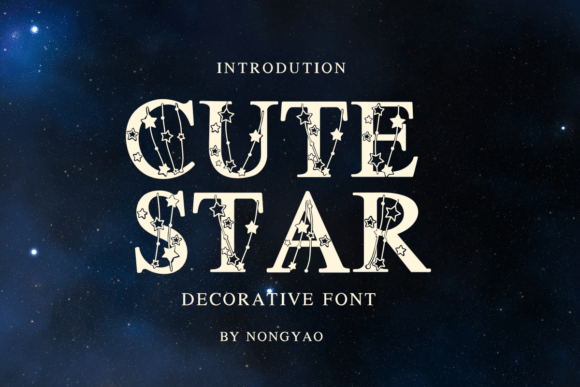
At its core, Cute Star is a decorative display font—meaning it's built to stand out, not blend in. Its letterforms feature gentle curves, slightly irregular edges, and a hand-drawn quality that feels organic without being messy. This makes it particularly effective for projects where you want to convey creativity, warmth, or a sense of fun. Think of the kind of typography you'd see on a children's book cover, a boutique bakery's packaging, or an indie brand's Instagram stories. It's the opposite of corporate stiffness, and that's exactly its strength.
But don't let the word "decorative" fool you into thinking it's limited. While it shines in personal and creative projects, Cute Star has surprising versatility. It works beautifully on merchandise like mugs, tote bags, and t-shirts. It can elevate the look of stationery sets, wedding invitations, or party banners. And for small business owners or content creators, it can become a key part of a brand's visual identity—especially for those who want to project a friendly, approachable, or whimsical image.
Practical Applications Across Creative and Commercial Projects
One of the most valuable things about a font like Cute Star is how many different contexts it can serve. For logo design, it can give a brand an instant personality—think of a children's clothing line, a handmade soap company, or a cozy café that wants to feel welcoming rather than formal. In packaging design, it can make a product feel more personal, as if it was made with care rather than mass-produced. On social media graphics, it can help posts stand out in a crowded feed, especially for lifestyle brands, bloggers, or anyone creating content around food, travel, crafts, or family.
It also works well in print materials like posters, flyers, and event invitations, where you want the typography to convey mood as much as meaning. For editorial layouts—say, a magazine feature on DIY projects or a blog header—it can add visual interest without overwhelming the content. And for digital products like printable planners, worksheets, or e-book covers, it brings a handcrafted feel that resonates with audiences who value authenticity.
Here's a quick look at some specific scenarios where this typeface could be a strong choice:
- Brand identity for a small business targeting families, creatives, or gift-oriented shoppers
- Website headers or blog titles that need to feel warm and inviting
- Marketing assets like email banners, sale announcements, or seasonal promotions
- Merchandise design for Etsy shops, craft fairs, or online stores
- Event materials such as birthday party invitations, baby shower decor, or holiday cards
- Digital content including YouTube thumbnails, Pinterest pins, or podcast cover art
Making Typography Work for Your Brand
Choosing a font isn't just about what looks nice in isolation—it's about how it fits into the bigger picture of your project. A typeface like Cute Star can do a lot of heavy lifting when it comes to brand recognition. If your audience consistently sees the same friendly, playful lettering across your website, packaging, and social posts, they start to associate that visual style with your business. That's the kind of subtle reinforcement that builds trust and familiarity over time.
Of course, readability is always a consideration with decorative fonts. Cute Star is designed to be legible at moderate sizes, which makes it suitable for headlines, subheadings, and short blocks of text. However, like most display fonts, it's not ideal for long paragraphs or body copy. Pair it with a clean sans serif font or a simple serif font for the supporting text, and you'll get a balanced layout that's both visually interesting and easy to read.
When testing font pairings, try contrasting styles. A whimsical handwritten font like Cute Star often pairs well with something more structured and neutral—think a geometric sans serif or a classic serif with clean lines. The contrast helps the decorative font stand out while keeping the overall design grounded. Experiment with different combinations in your design software before committing, and pay attention to how the fonts interact at various sizes.
Thoughtful Design Starts with Intentional Choices
Every font carries a mood, and Cute Star's mood is unmistakably cheerful and approachable. That makes it a natural fit for brands and projects that want to feel personal, creative, or lighthearted. But it's worth thinking carefully about whether that mood aligns with your specific goals. A law firm probably won't benefit from a playful display font, but a pet grooming service, a kids' clothing boutique, or a lifestyle blogger almost certainly would.
Before you start using it across all your materials, take some time to explore the included font styles. Some decorative fonts come with alternates, ligatures, or stylistic variations that can add even more personality to your designs. Understanding what's available in the font file helps you use it more effectively and avoid settling for a default look when something more dynamic is at your fingertips.
And if you're planning to use Cute Star for commercial purposes—selling products, creating client work, or marketing your own business—make sure you understand the licensing terms. Most premium fonts come with clear guidelines about what's allowed, and respecting those terms is part of being a responsible designer or business owner. It's a small detail, but it matters.
Typography is one of the most powerful tools in a designer's toolkit, and the right typeface can quietly shape how people perceive a brand, a product, or a message. Cute Star offers something specific: a warm, handcrafted feel that's hard to replicate with more conventional fonts. Used thoughtfully, it can help your work feel more human, more creative, and more memorable—whether you're designing for yourself or for an audience that appreciates a little extra charm.