Capture the Rugged Spirit of the Old West with Vintage Cowboy
There’s a certain romance to the rugged, sun-baked aesthetic of the American frontier. It’s a world of dusty trails, weathered wood, and bold declarations painted on saloon doors. For designers and creators seeking to bottle that spirit, typography is the most powerful tool at your disposal. The right typeface doesn’t just convey words; it transports an audience, evoking a specific time, place, and feeling. This is precisely where a display font like Vintage Cowboy shines, offering a direct portal to the iconic visual language of the Wild West.
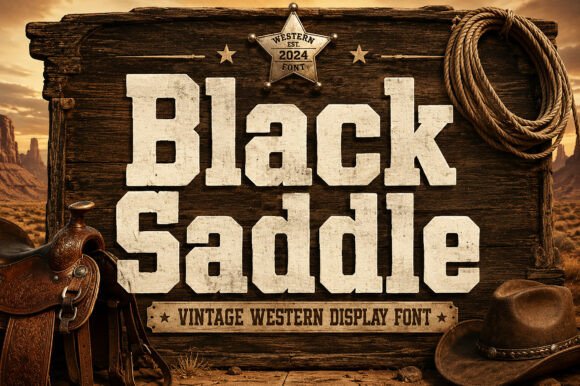
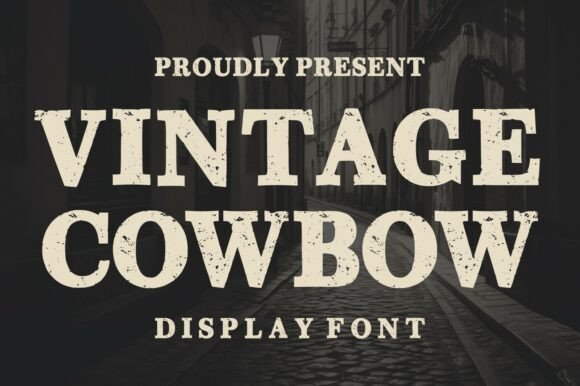
At its core, this is a bold western-style display font characterized by its strong serif shapes and a distinctly worn, distressed texture. Imagine the lettering on a classic wanted poster or the signage of a frontier general store—that’s the visual territory it occupies. The intentional imperfections and rugged details are not flaws; they are the very essence of its charm, giving it an authenticity that clean, modern typefaces often lack. It’s a typeface with a story etched into every glyph, designed for projects that need to make a statement without saying a word.
A Typeface with Unmistakable Character
What sets this particular font apart in a crowded market of design assets is its masterful balance of historical reference and contemporary utility. It’s not a simple novelty font; it’s a carefully crafted premium font designed for serious creative work. The strong serif foundations ensure readability even at smaller sizes in certain contexts, while the distressed texture adds a layer of tactile, vintage authenticity. This combination allows it to function beautifully as a headline font for posters or as a powerful logotype, where its character can be fully appreciated without overwhelming the viewer.
The personality embedded in the letterforms is one of strength, nostalgia, and adventure. It speaks to brands and projects that want to communicate durability, heritage, and a touch of rebellious spirit. Whether you're designing a logo for a craft distillery, creating packaging for artisanal beef jerky, or developing social media graphics for a country music festival, this typeface provides an instant visual shorthand. It tells your audience, "This is rooted in tradition, but it's here to make an impact now."
Practical Applications for the Modern Creator
The true value of any creative font lies in its versatility across different mediums. Vintage Cowboy excels in projects where visual impact is paramount. Consider its use in branding and logo design. A well-chosen typeface is the cornerstone of a brand identity, and for businesses in the outdoor, adventure, artisanal, or Americana sectors, this font provides a perfect foundation. It can be the hero element of a logo, setting the tone for an entire brand system.
Beyond logos, its applications are extensive:
- Packaging Design: For products like hot sauce, craft beer, leather goods, or coffee, the font adds shelf appeal and communicates product quality and story at a glance.
- Print & Posters: It’s ideal for event posters, festival lineups, movie titles, or editorial layouts in magazines aiming for a retro or western theme.
- Merchandise: T-shirts, hats, and stickers featuring bold typographic designs are perennially popular. This font’s style translates perfectly to apparel and merchandise, creating desirable, wearable art.
- Digital Presence: While a display font isn't for body copy, it’s fantastic for website headers, blog post titles, and social media graphics. A striking header image using this typeface can stop a scroll and increase engagement on platforms like Instagram or Pinterest.
- Invitations & Events: From wedding invitations with a rustic theme to corporate event materials for a rodeo or BBQ competition, it sets the mood instantly.
Pairing for Professional Polish
Using a strong display font effectively often involves thoughtful font pairing. The goal is to create visual hierarchy and ensure overall readability. A font with as much character as Vintage Cowboy typically pairs best with something more neutral and understated for body text. Consider combining it with a clean sans serif font for descriptions, details, or longer passages. This contrast allows the headline font to command attention while the supporting text remains easy to read.
Alternatively, for a more curated, vintage-inspired look, you might pair it with a simple, legible script font or a classic serif font for secondary headings. The key is to avoid competing styles. Let Vintage Cowboy be the star of the show in headlines, logos, or pull quotes, and use its more subdued partners to handle the informational heavy lifting. Always test your pairings in context—see how they look together on a mockup of your final product, whether it’s a website mockup or a printed brochure.
Making It Work for Your Project
Before integrating any new typeface into a project, a few practical considerations ensure a smooth process. First, always review the included font styles. Does the package offer multiple weights or stylistic alternates? Understanding the full toolkit allows for more creative flexibility. Second, and critically, examine the commercial licensing. Ensure the license covers your intended use, whether for a client project, personal merchandise, or digital products for sale. Reputable font providers make this information clear.
Finally, test for readability in your specific application. While designed for impact, how it performs can depend on size, color, and background. A distressed texture might get lost on a busy background or become unclear at very small sizes. Always create test renders to see how the font behaves in your design environment. This due diligence is what separates a good design from a great one, ensuring your final presentation is both powerful and professional.
In the end, choosing a typeface is a creative decision that shapes how your audience perceives your work. For projects that call for a bold, authentic, and unmistakably western vibe, a font like Vintage Cowboy is more than just a set of letters—it’s a powerful design asset capable of building a strong visual identity, capturing attention, and telling a compelling story with every use. It’s a tool for creators who understand that great design is about evoking the right emotion at the right moment.